Have you ever fallen in love with a shapewear piece in a catalog, only to try it on and feel like a tightly wrapped sausage? Instead of serving a snatched hourglass silhouette, you end up short of breath, with everything spilling out in the wrong places—and counting minutes before taking it off.
If that sounds familiar, welcome to the club. The issue is rarely your body—it’s the misunderstanding of sizing (both from us and the industry). In modern fashion, yes, size matters—but inclusivity is the real glow-up.
Choosing shapewear isn’t just about whether it fits; it’s about how fabric technology and inclusive sizing work together to support your body comfortably.
Trapped in the “Sausage Syndrome”: The Risk of Wrong Sizing
A common myth? If you want an instant slim look, go one or two sizes smaller. Big nope.
Wearing shapewear that’s too tight can disrupt blood circulation and limit diaphragm movement. The result? Dizziness, acid reflux, and even skin irritation from excessive friction. Not cute, not healthy.
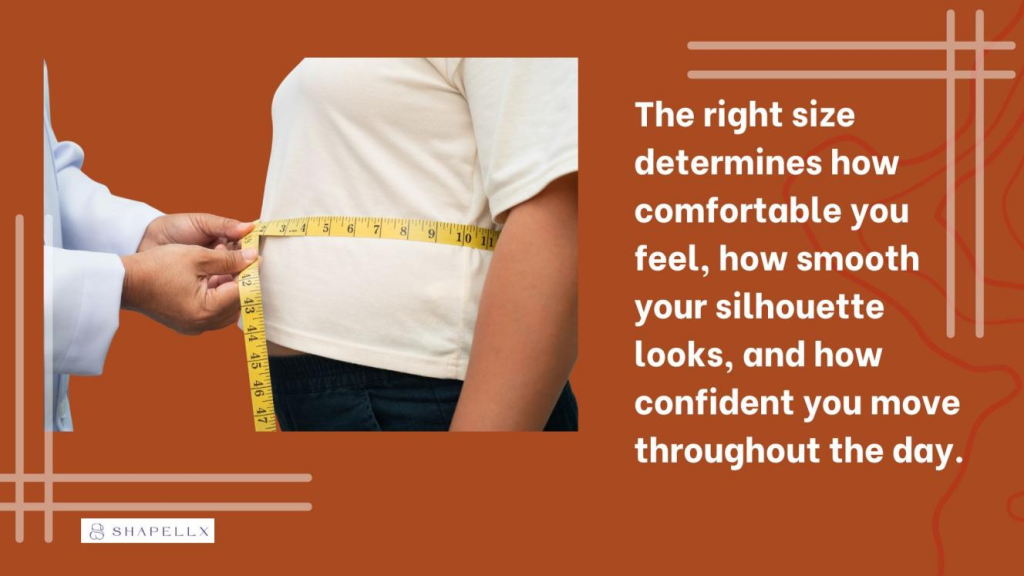
This is why inclusive sizing matters. It’s not just about offering XS to 6XL—it’s about designing each size based on real body anatomy.
Someone who wears XL has a completely different fat distribution and bone structure than someone who wears M. Brands that truly get inclusivity ensure breathability, flexibility, and comfort—while still delivering that sculpting effect.
Myth or Fact: Can Shapewear Reduce Waist Size?
Let’s answer this objectively, no delusion, no marketing fluff.
Instantly? Yes.
Shapewear redistributes soft tissue and compresses the midsection, creating a visually slimmer waist while you’re wearing it. Think of it as contouring—but for your body.
Permanently? No.
Let’s be real—shapewear is not a fat-burning device. Any “waist reduction” effect disappears once you take it off.
However, there’s a subtle bonus: high-quality shapewear can improve posture. When you stand straighter, your core muscles engage more naturally, which can help your stomach appear flatter over time—especially when paired with a healthy lifestyle.
So if a brand claims you’ll lose inches just by sitting pretty in a corset? Yeah… that’s marketing doing the most.
Technical Guide: How to Measure Shapewear Sizes?
To avoid the dreaded “sausage effect,” accurate measurement is non-negotiable. Don’t rely on your usual jeans or dress size—every brand runs differently.
Here’s how to measure shapewear sizes properly:
- Waist Line
Find the smallest part of your waist (usually 1–2 inches above your navel). Wrap a soft measuring tape around it—snug, but not tight. Keep it parallel to the floor and breathe normally. No sucking in—we want reality, not illusion.
2. Hip Line
Stand with your feet together and measure around the fullest part of your hips (usually across the middle of your buttocks). Good shapewear should hug your curves—not flatten them into oblivion.
3. Torso Length
Often overlooked but super important.
- Short torso? High-waist shapewear might roll up uninvited.
- Long torso? You’ll need extra length to avoid that awkward lower-belly gap.
Once you have your measurements, match them with the brand’s size chart. If you’re between sizes, always go one size up. Slightly looser still shapes—too tight just suffocates.
Material Comfort: It’s Not Just “Stretchy Fabric”
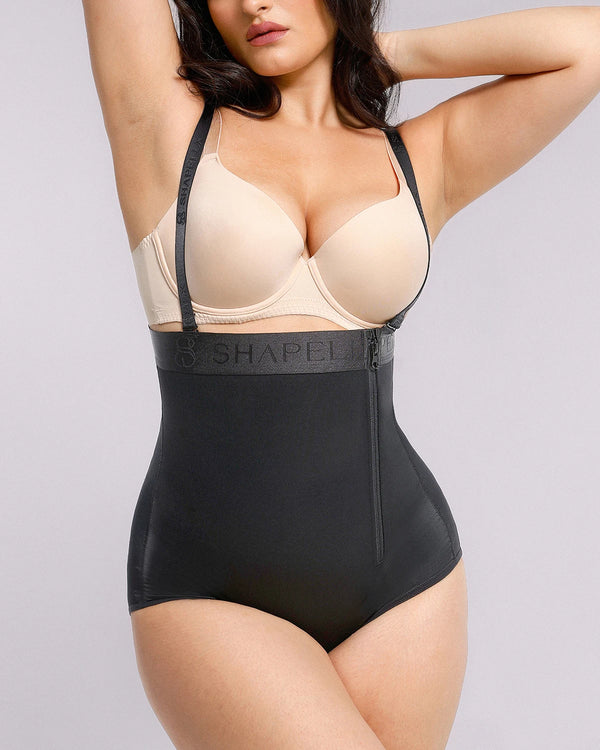
Sizing alone isn’t enough—material matters just as much.
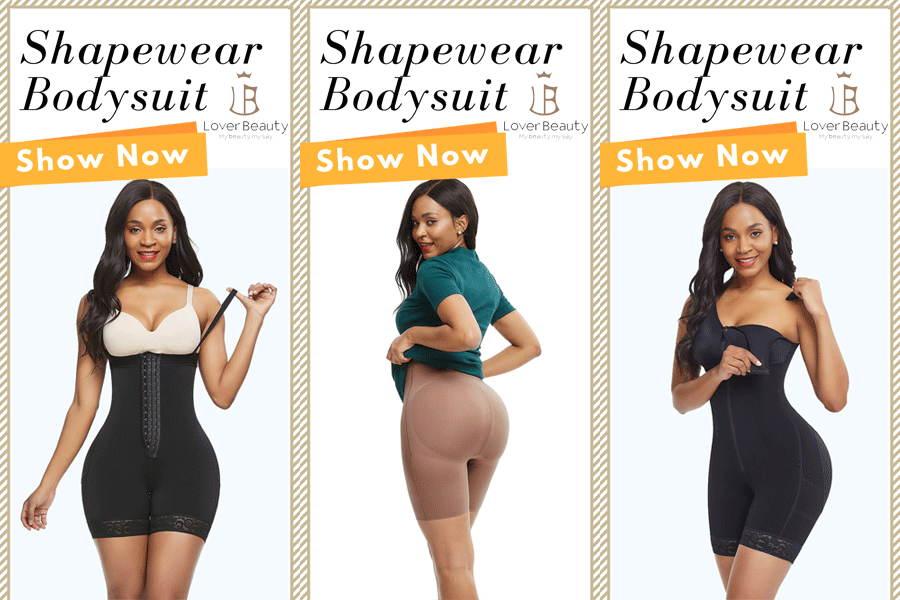
High-quality shapewear usually blends nylon and spandex, engineered with targeted compression zones. That means:
- Firm support in the tummy area
- Flexible stretch around hips and thighs
Modern innovations like laser-cut edges (seamless finishes) prevent visible lines under clothing—so no awkward outlines ruining your outfit.
Because let’s be honest—no one wants to interrupt their coffee date or presentation just to fix twisted shapewear in the bathroom.
Final Take: Be Smart, Be Comfortable
Fashion is evolving—and finally becoming more human. Choosing shapewear today isn’t about forcing your body into unrealistic standards. It’s about creating a comfortable foundation so your clothes fall beautifully on your natural shape.
Inclusivity isn’t just a buzzword—it’s a promise that every body deserves comfort and support.
So before you hit checkout, measure properly, check the size chart, and remember: confidence starts with comfort—not compression torture.
Got a funny (or slightly tragic) shapewear story? Like buying one so tight you couldn’t sit… or worse, had to cut it off to escape? Drop your story—I promise, no judgment. Let’s save others from the “sausage era.”